
Type 1 Diabetes Insulin Dosage Tracker Template
Managing Type 1 diabetes requires meticulous precision and consistent data. Utilizing a structured insulin dosage tracker template allows individuals to monitor blood glucose levels while refining their basal rates and bolus calculations. By integrating carbohydrate counting and insulin-to-carb ratios into a daily log, you can achieve superior glycemic control and streamline your glucose monitoring routine. These digital logs are essential for identifying patterns and optimizing your long-term health strategy. Please explore our professionally designed variations of templates below to find your ideal layout.
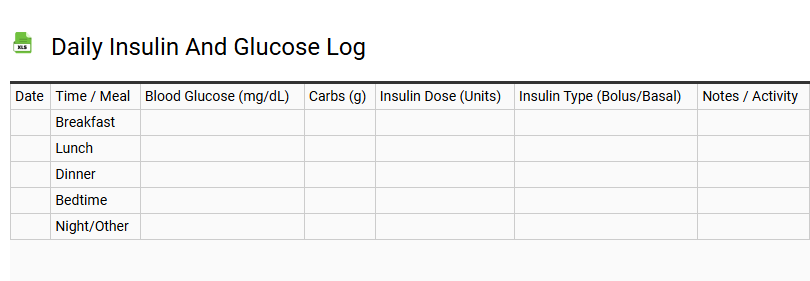
Daily Insulin and Glucose Log
💾 Daily Insulin and Glucose Log .xls
A daily insulin and glucose log is an essential tool for proactive diabetes management. This structured template enables precise tracking of blood sugar levels alongside insulin dosing, fostering superior glycemic control. By documenting fasting glucose, pre-meal benchmarks, and postprandial readings, users can identify dangerous trends such as hyperglycemia or hypoglycemia.
Incorporating a basal-bolus routine and carbohydrate counting into this diabetes journal provides healthcare providers with the data needed to adjust insulin sensitivity factors. Consistent blood glucose monitoring is vital for maintaining target HbA1c levels and improving long-term metabolic health. Utilizing a digital or printable log ensures that every glucose fluctuation is recorded, allowing for data-driven adjustments to diet, exercise, and medication for optimal wellness.
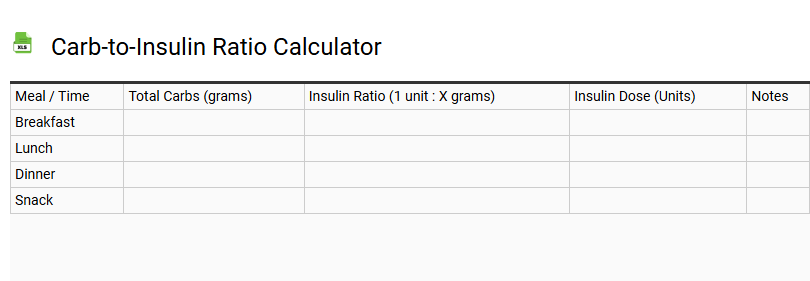
Carb-to-Insulin Ratio Calculator
💾 Carb-to-Insulin Ratio Calculator .xls
A Carb-to-Insulin Ratio calculator is an essential tool for effective diabetes management, helping to determine how many grams of carbohydrates are balanced by one unit of rapid-acting insulin. By establishing this personal ratio, users can more accurately calculate mealtime bolus doses to maintain stable blood glucose levels and reduce the risk of post-meal spikes.
The template typically applies the "Rule of 500" to estimate specific needs based on total daily insulin intake. This data-driven approach allows for greater flexibility in food choices while promoting tighter glycemic control. It is important to remember that these calculations serve as a guide; individual factors such as exercise, stress, and metabolic changes may require further adjustments. Always verify your results with a medical provider to ensure the safest and most effective dosing strategy for your unique physiology.
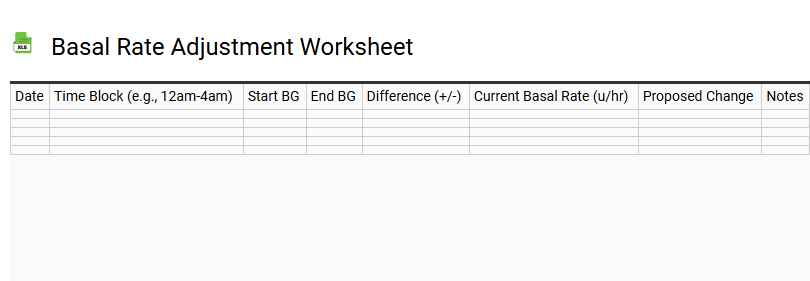
Basal Rate Adjustment Worksheet
💾 Basal Rate Adjustment Worksheet .xls
A basal rate adjustment worksheet is an essential clinical tool for fine-tuning insulin pump therapy and maintaining glycemic control. This template allows users to systematically track fasting blood sugar levels and identify trends in glucose fluctuations. By documenting hourly insulin delivery alongside continuous glucose monitor (CGM) data, patients can isolate background insulin needs from mealtime bolus doses.
Effective titration requires analyzing overnight trends and daytime stability to prevent hypoglycemia or persistent hyperglycemia. Utilizing this log helps refine insulin sensitivity factors and ensures metabolic requirements are met without interference from food or exercise. Precise data entry facilitates productive consultations with your endocrinology team, enabling evidence-based adjustments to pump settings for optimized diabetes management and long-term health outcomes.
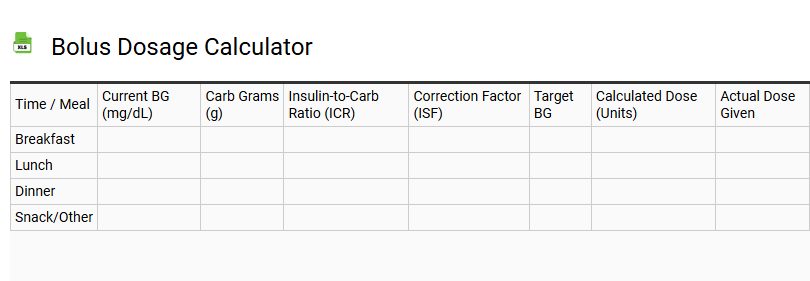
Bolus Dosage Calculator
💾 Bolus Dosage Calculator .xls
The bolus dosage calculator is an essential tool for precise diabetes management, designed to streamline intensive insulin therapy. This template integrates critical variables such as carbohydrate counting, current blood glucose levels, and the user's specific insulin-to-carb ratio. By applying an accurate insulin sensitivity factor (correction factor), the tool calculates the necessary rapid-acting insulin dose to achieve a pre-defined target glucose range.
Optimizing glycemic control requires accounting for insulin on board to prevent dangerous insulin stacking and hypoglycemia. Whether managing mealtime requirements or addressing hyperglycemia, this calculator provides a reliable framework for postprandial glucose regulation. Utilizing this digital template enhances dosing accuracy, supports metabolic stability, and improves daily health outcomes for patients requiring prandial insulin adjustments and real-time metabolic tracking.
CGM Data Integration Sheet
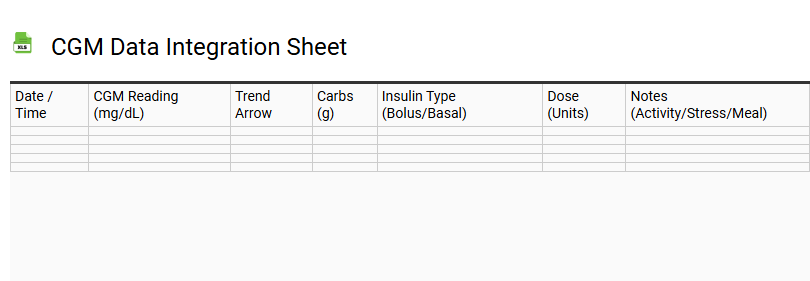
💾 CGM Data Integration Sheet .xls
The CGM Data Integration Sheet serves as a foundational blueprint for streamlining glucose monitoring metrics within digital health ecosystems. By prioritizing interoperability, this template facilitates the seamless transfer of real-time glucose trends and glycemic variability data from wearable sensors to Electronic Health Records (EHR).
Key technical components include:
- API Connectivity: Ensuring high-fidelity biometric data exchange and synchronization.
- Clinical Decision Support: Consolidating insulin delivery logs and sensor values for actionable insights.
- Medical Informatics: Standardizing data formats to reduce manual entry errors in patient data management.
Utilizing this structured format allows healthcare providers to analyze Time-in-Range (TIR) and metabolic patterns effectively. This optimized approach to health information technology enhances therapeutic outcomes by providing a comprehensive view of a patient's glycemic profile through advanced data visualization and secure cloud integration.
Insulin Sensitivity Factor Tracker
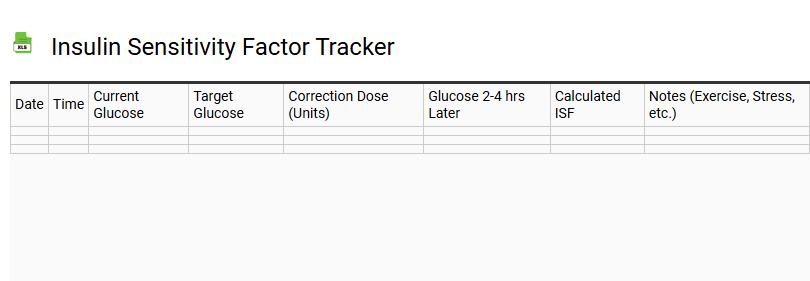
💾 Insulin Sensitivity Factor Tracker .xls
An Insulin Sensitivity Factor (ISF) tracker is a vital instrument for precise diabetes management and glycemic control. This specialized log helps individuals monitor how one unit of rapid-acting insulin lowers blood glucose levels, allowing for the calculation of an accurate correction dose during periods of hyperglycemia.
By documenting daily fluctuations, users can identify patterns in insulin resistance and fine-tune their insulin-to-carb ratio. Key metrics included in this template assist in balancing bolus dosages with basal insulin requirements, ensuring a personalized approach to type 1 diabetes care. Utilizing this structured data facilitates better communication with healthcare providers, enabling data-driven adjustments to treatment plans. Consistent blood sugar monitoring and ISF tracking are essential for preventing hypoglycemia while maintaining stable, healthy glucose ranges throughout the day for improved long-term metabolic health.
Mealtime Insulin Log
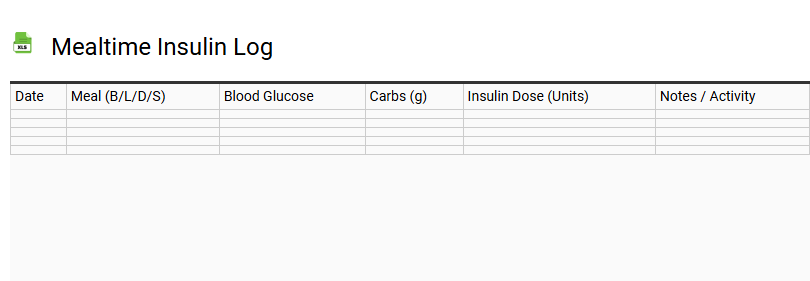
A mealtime insulin log is a vital instrument for precise diabetes management and achieving consistent glycemic control. This structured template streamlines blood glucose monitoring by documenting pre-meal readings, carbohydrate counting, and the specific bolus dosage administered. By tracking rapid-acting insulin intake alongside nutritional data, users can accurately calculate their insulin-to-carb ratio and monitor postprandial levels to prevent hyperglycemia. This glucose tracking tool also accounts for correction factors, helping to stabilize blood sugar fluctuations throughout the day. Maintaining a detailed insulin diary provides healthcare providers with the necessary data to adjust treatment plans and evaluate metabolic trends. Whether utilizing multiple daily injections or an insulin pump, this log ensures a comprehensive record of therapeutic adherence and long-term health outcomes.
Hypoglycemia Event Tracker
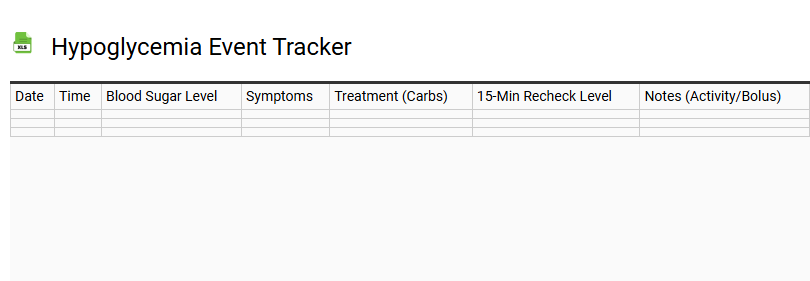
💾 Hypoglycemia Event Tracker .xls
A comprehensive hypoglycemia event tracker is an essential tool for proactive diabetes management. By systematically logging every low blood glucose episode, patients can pinpoint triggers related to insulin dosage, physical exertion, or delayed meals. This blood sugar log template captures critical data points, including precise glucose meter readings (mg/dL or mmol/L), specific hypoglycemic symptoms such as dizziness or palpitations, and the exact carbohydrate intake used for correction.
Tracking the recovery time and the effectiveness of the Rule of 15 provides healthcare providers with actionable insights to refine glycemic targets. Utilizing a structured diabetes journal helps prevent rebound hyperglycemia and identifies patterns of nocturnal hypoglycemia. Consistent documentation enhances glycemic control for individuals with Type 1 or Type 2 diabetes, ultimately reducing the risk of severe hypoglycemic unawareness and related complications.
Physical Activity Insulin Adjustment Log
💾 Physical Activity Insulin Adjustment Log .xls
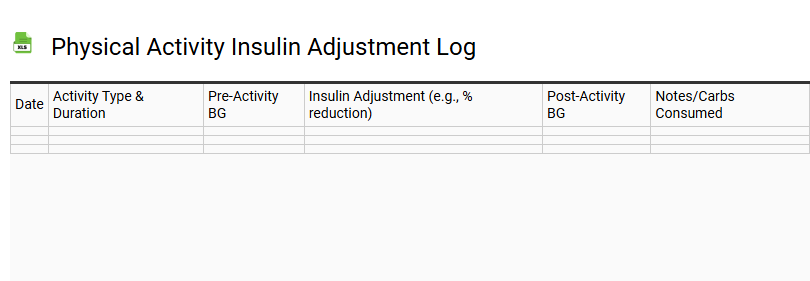
Utilizing a Physical Activity Insulin Adjustment Log is essential for managing the complex interplay between exercise intensity and glycemic response. This structured template allows for precise blood glucose monitoring, capturing data points before, during, and after exertion to prevent hypoglycemia. By tracking metabolic demands alongside carbohydrate intake, individuals can make informed decisions regarding bolus dose reductions or basal rate modifications.
Consistent documentation highlights patterns in insulin sensitivity and post-workout recovery, which are critical for long-term diabetes management. Whether engaging in aerobic or anaerobic sessions, recording these variables ensures glycemic stability and optimizes physiological performance. This log serves as a vital tool for tight glucose control, helping users balance insulin delivery with supplemental nutrition to mitigate the risks of delayed onset muscle soreness and late-night glucose fluctuations.
Weekly Diabetes Management Summary
💾 Weekly Diabetes Management Summary .xls
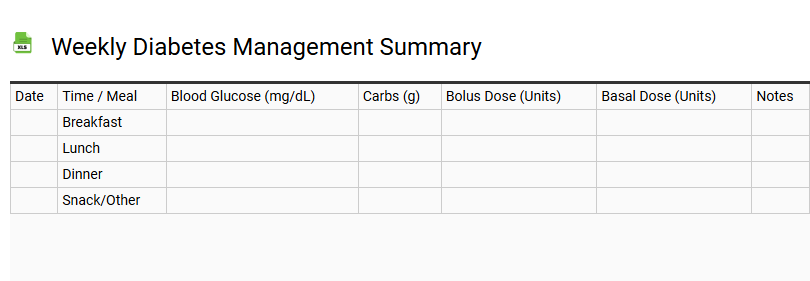
A Weekly Diabetes Management Summary is a vital instrument for achieving optimal glycemic control. This structured log facilitates the tracking of daily blood glucose levels, including fasting measurements and post-prandial readings. By recording insulin dosages, carbohydrate intake, and physical activity, individuals can identify patterns in their metabolic health and improve insulin sensitivity.
- Glucose Monitoring: Documenting fluctuations to prevent hypoglycemia and hyperglycemia.
- Medication Adherence: Tracking oral hypoglycemics or subcutaneous insulin injections.
- Lifestyle Factors: Correlating dietary fiber and exercise with glucose stability.
Utilizing this template streamlines communication with endocrinologists, allowing for data-driven adjustments to treatment plans. Consistent documentation of these biometrics supports long-term A1C reduction and minimizes the risk of diabetic complications, fostering proactive self-care and enhanced cardiovascular wellness.
HbA1c Estimation Calculator
💾 HbA1c Estimation Calculator .xls
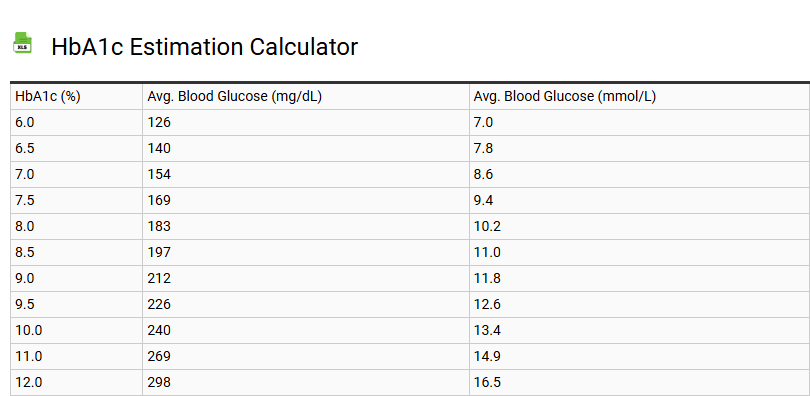
This HbA1c estimation calculator serves as a vital tool for monitoring long-term glycemic control. By inputting your average blood glucose levels, the tool converts estimated average glucose (eAG) into a glycated hemoglobin percentage, reflecting your blood sugar management over the past three months.
Effective diabetes care for both Type 1 and Type 2 patients relies on understanding the correlation between daily plasma glucose readings and clinical lab results. Whether measuring in mg/dL or mmol/L, tracking these metrics helps maintain metabolic health and prevents long-term complications. Use this digital template to interpret your glucose levels, ensuring your diabetes management plan remains on track for optimal health outcomes through precise blood sugar tracking and clinical data conversion.
Injection Site Rotation Log
💾 Injection Site Rotation Log .xls
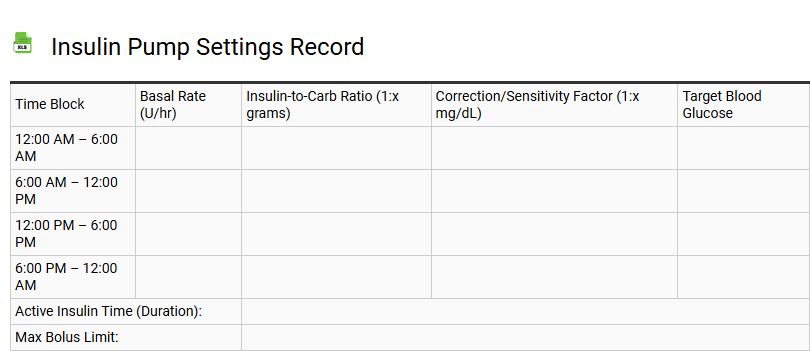
Insulin Pump Settings Record
💾 Insulin Pump Settings Record .xls
An insulin pump settings record serves as a critical blueprint for personalized diabetes management. This template systematically tracks basal rates, ensuring precise insulin delivery throughout a 24-hour cycle. By documenting the insulin-to-carb ratio (ICR) and sensitivity factor (ISF), users can program their bolus calculator for accurate mealtime dosing and hyperglycemia corrections.
Effective templates also include parameters for:
- Active insulin time to prevent "insulin stacking."
- Target blood glucose ranges for optimal glycemic control.
- Temporary basal presets for exercise or illness.
Maintaining an updated log of these pump configurations is essential for troubleshooting infusion set issues and facilitates data sharing with endocrinologists. This proactive approach to diabetes technology ensures a seamless transition during site changes or device reboots, ultimately enhancing long-term health outcomes and safety.
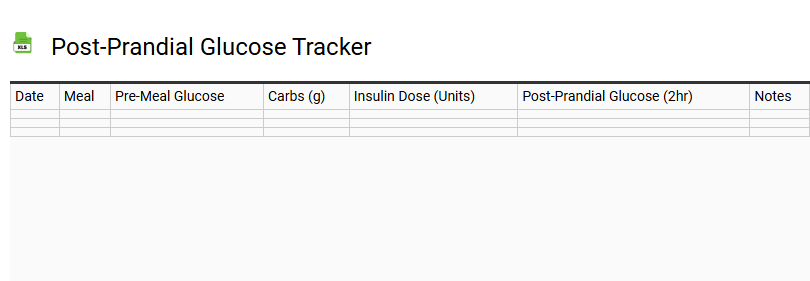
Post-Prandial Glucose Tracker
💾 Post-Prandial Glucose Tracker .xls
A post-prandial glucose tracker is an essential tool for monitoring blood sugar fluctuations following food consumption. By recording levels during the critical two-hour testing window, individuals can evaluate their glycemic response and insulin sensitivity.
Utilizing a structured template helps identify how specific carbohydrate intake influences blood glucose levels, aiding in the prevention of hyperglycemia. This data-driven approach to metabolic health supports effective diabetes management. Key metrics to include in your glucose log are:
- Pre-meal baseline readings for comparison.
- Timestamped post-meal glucose values.
- Detailed macronutrient composition and portion sizes.
- Notes on physical activity and medication timing.
Consistently tracking these variables fosters better glycemic control, helping users visualize glucose spikes and optimize their long-term wellness strategy through precise biometric monitoring.
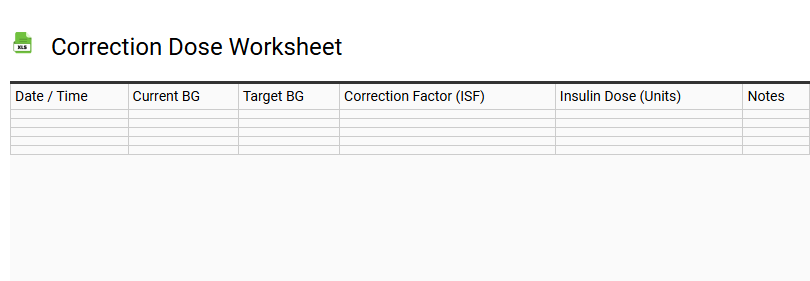
Correction Dose Worksheet
💾 Correction Dose Worksheet .xls
This worksheet serves as a structured guide for calculating the additional insulin required to return elevated blood glucose levels to a safe target range. It provides a clear framework for individuals to manage hyperglycemia with precision and clinical accuracy.
To use this template effectively, the following variables must be documented:
- Current Blood Glucose: The real-time measurement obtained from a monitor.
- Target Glucose Level: The personalized goal value set by a medical professional.
- Insulin Sensitivity Factor: The specific numerical value representing how many points one unit of insulin will lower blood sugar.
By subtracting the target from the current reading and dividing that difference by the sensitivity factor, the user identifies the exact correction dose. This systematic approach ensures safety, reduces the risk of dosing errors, and promotes consistent glucose stability throughout the day.
Ketone and Insulin Log
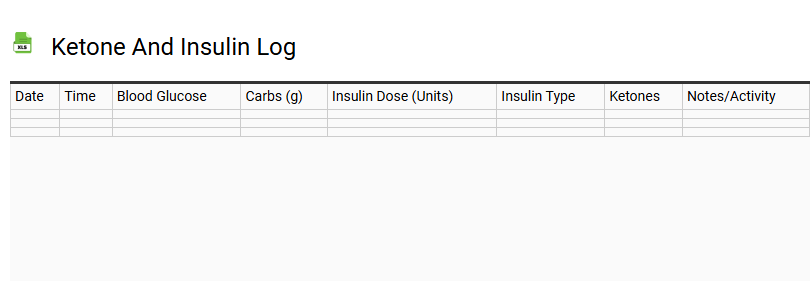
A comprehensive ketone and insulin log serves as a vital instrument for proactive diabetes management and sustained metabolic health. By meticulously documenting blood glucose levels in conjunction with insulin dosages-including both basal and bolus requirements-users can pinpoint significant trends in their glycemic control.
This structured template is designed for tracking ketone bodies, a crucial step in preventing diabetic ketoacidosis (DKA). Key features include monitoring:
- Carbohydrate intake and nutritional timing.
- Biometric data and physical activity levels.
- Blood sugar fluctuations relative to medication.
Consistent use of this monitoring sheet assists in refining insulin-to-carb ratios and improving therapeutic outcomes. By maintaining a detailed record of biomarkers, patients and clinicians can optimize glucose regulation and enhance overall endocrine wellness through precise, data-driven adjustments.
Carbohydrate Counting and Dosage Sheet
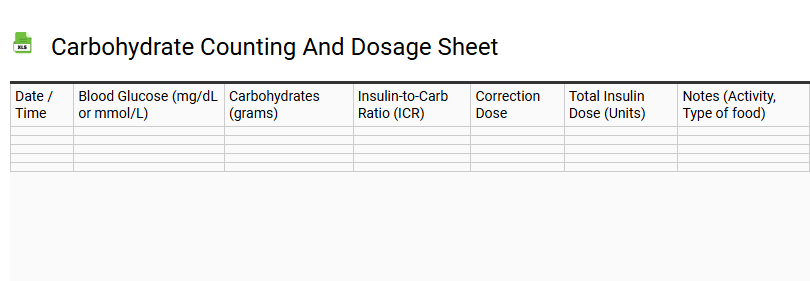
💾 Carbohydrate Counting and Dosage Sheet .xls
This Carbohydrate Counting and Dosage Sheet serves as a vital tool for comprehensive diabetes management. By meticulously tracking macronutrient intake, specifically total grams of fiber and sugars, patients can determine the precise bolus insulin required for each meal. This template integrates critical metrics such as the insulin-to-carb ratio (ICR) and correction factor to help stabilize fluctuating blood glucose levels.
Consistent use of this medical log allows for better glycemic control by monitoring the glycemic index of foods alongside pre-meal glucose readings. Whether managing Type 1 or Type 2 diabetes, utilizing a structured nutritional tracking system simplifies calculating insulin units. This data-driven approach facilitates informed consultations with endocrinologists regarding basal-bolus regimens, effectively preventing hyperglycemia through accurate blood sugar monitoring and documented dosage history for optimal metabolic health.
Time in Range Analysis Tool
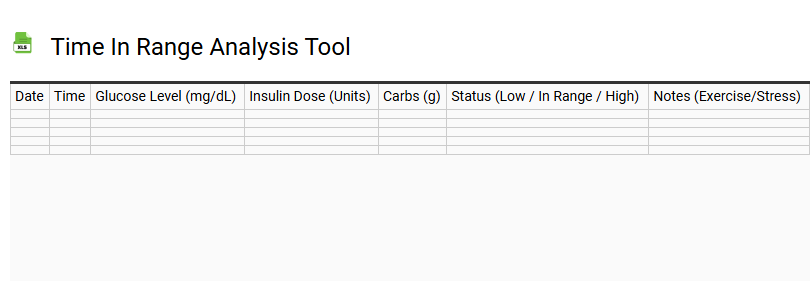
💾 Time in Range Analysis Tool .xls
This analytical framework provides a comprehensive overview of glucose fluctuations over a defined period. By categorizing readings into specific zones-low, target, and high-the tool calculates the percentage of time a user maintains stable glycemic levels. This visual representation allows for immediate identification of trends and glucose variability.
- Target Achievement: Tracks the frequency of readings falling within the ideal clinical range.
- Hyperglycemic Patterns: Highlights recurring episodes of elevated levels to help adjust dietary or therapeutic strategies.
- Hypoglycemic Risks: Monitors instances of low glucose to prioritize safety and prevent adverse events.
Utilizing this template streamlines data interpretation, turning raw sensor metrics into actionable insights. It serves as a vital bridge between daily monitoring and long-term health management, fostering better communication between patients and healthcare providers for optimized treatment plans.
Sick Day Insulin Management Log
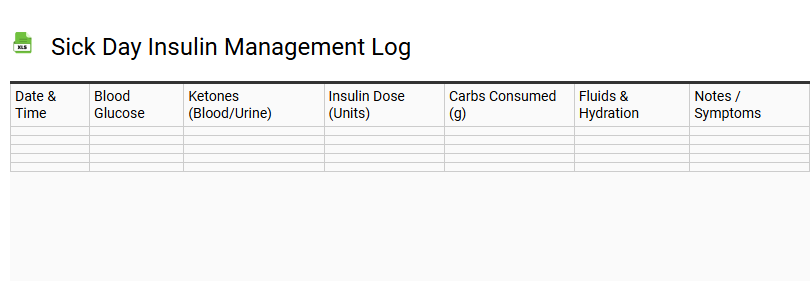
💾 Sick Day Insulin Management Log .xls
Effective diabetes management during illness requires a structured sick day insulin management log to track fluctuating blood glucose levels. When the body faces infection, metabolic stress often triggers hyperglycemia, necessitating frequent glucose monitoring and potential insulin dosage adjustments. This template enables patients to document ketone testing results, carbohydrate intake, and hydration levels to prevent diabetic ketoacidosis (DKA).
By recording basal and bolus insulin administration alongside glycemic trends, individuals can maintain glycemic control while following a professional illness protocol. Monitoring fever, nausea, and fluid balance is critical for identifying glucose variability. A comprehensive log serves as a vital tool for healthcare providers to review medication adherence and determine if emergency intervention is required, ensuring patient safety and stable blood sugar regulation during acute health challenges.
Long-Acting vs Rapid-Acting Insulin Balance Sheet
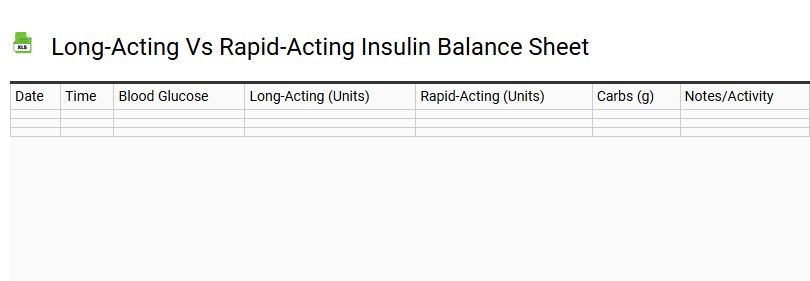
💾 Long-Acting vs Rapid-Acting Insulin Balance Sheet .xls
Managing diabetes effectively requires a structured insulin balance sheet to monitor the synergy between basal and bolus therapy. A long-acting insulin, such as glargine or detemir, provides essential background coverage to stabilize fasting blood glucose levels over a 24-hour period. Conversely, rapid-acting insulin, like aspart or lispro, is utilized to counteract postprandial spikes and manage carbohydrate intake during meals.
Utilizing a comprehensive template allows for precise tracking of:
- Insulin-to-carb ratios for accurate mealtime dosing.
- Correction factors to address unexpected hyperglycemia.
- Daily titration patterns based on glucose variability.
- Subcutaneous injection timing and dosage consistency.
By documenting these metrics, patients can optimize glycemic control and minimize hypoglycemic risks. This data-driven approach facilitates better communication with healthcare providers, ensuring more effective metabolic management and personalized adjustments to the daily insulin regimen.
Utilizing a structured Type 1 insulin dosage tracker is essential for maintaining precise glycemic control. This template streamlines diabetes management by documenting blood glucose levels, carbohydrate counting, and basal-bolus injections in one cohesive log. By analyzing these variables, users can accurately calculate insulin-to-carb ratios and identify glucose fluctuations. Consistent use of this tracking tool empowers patients to refine their treatment plans, improve A1C outcomes, and achieve greater stability in their daily health journey.