
Vegan Nutrient Deficiency Tracking Template
Transitioning to a plant-based lifestyle necessitates diligent monitoring of essential micronutrients to prevent common imbalances. Utilizing a vegan nutrient deficiency tracker serves as a vital wellness tool for logging daily intake of Vitamin B12, Iron, and Omega-3s. By identifying potential nutritional gaps through consistent symptom tracking and dietary analysis, you can optimize your long-term health and vitality. This template simplifies managing your plant-based nutrition requirements. Please explore our diverse selection of pre-designed template variations below.
Vegan Micronutrient Intake Log
💾 Vegan Micronutrient Intake Log .xls
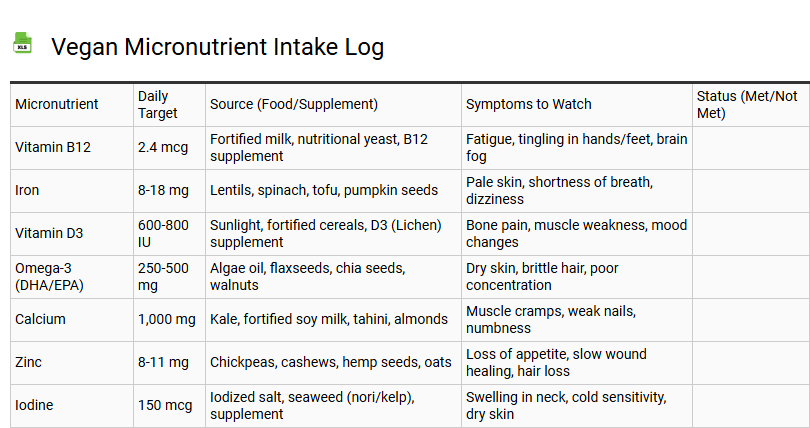
A vegan micronutrient intake log serves as a sophisticated tool for monitoring plant-based nutrition and ensuring optimal wellness. This template facilitates the precise tracking of essential vitamins and minerals that often require closer attention in a meat-free diet. Users can document daily levels of Vitamin B12, Iron, Zinc, and Calcium to mitigate potential deficiencies. It also accounts for Vitamin D, Iodine, and Omega-3 fatty acids derived from algae or flaxseeds.
By recording nutrient-dense whole foods and fortified products, individuals can analyze their dietary patterns and bio-availability. This systematic approach simplifies monitoring daily requirements, helping practitioners balance fiber-rich legumes with leafy greens. Whether utilizing a digital spreadsheet or a physical journal, this log supports a balanced lifestyle by highlighting areas needing supplementation. Use these data points to refine meal planning and maintain peak physical health through targeted nutritional insights.
Plant-Based Vitamin B12 and Iron Tracker
💾 Plant-Based Vitamin B12 and Iron Tracker .xls
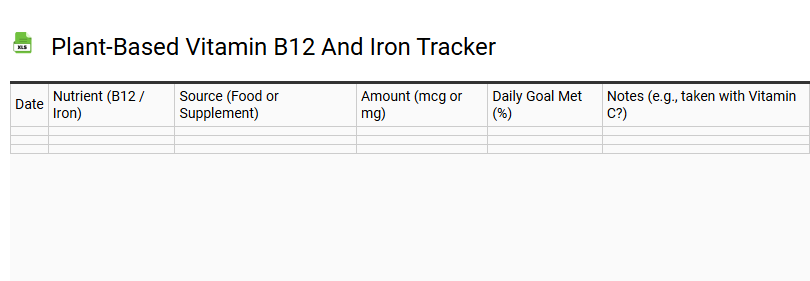
Optimizing vegan nutrition necessitates precise nutrient monitoring to prevent common deficiencies. This comprehensive plant-based Vitamin B12 and Iron tracker serves as a vital wellness journal for managing cobalamin intake and ferritin levels. By logging daily consumption of fortified foods and dietary supplements, users can enhance the bioavailability of non-heme iron and maintain robust hematological health.
This nutritional status tool facilitates the recording of blood work results, ensuring micronutrient intake aligns with plant-derived mineral requirements. Monitoring these essential vitamins is crucial for red blood cell formation and sustained energy. Use this template to bridge the gap between dietary habits and peak metabolic function, providing a clear overview of your nutritional profile for medical consultations and proactive deficiency prevention through consistent data-driven wellness.
Vegan Essential Minerals Dashboard
💾 Vegan Essential Minerals Dashboard .xls
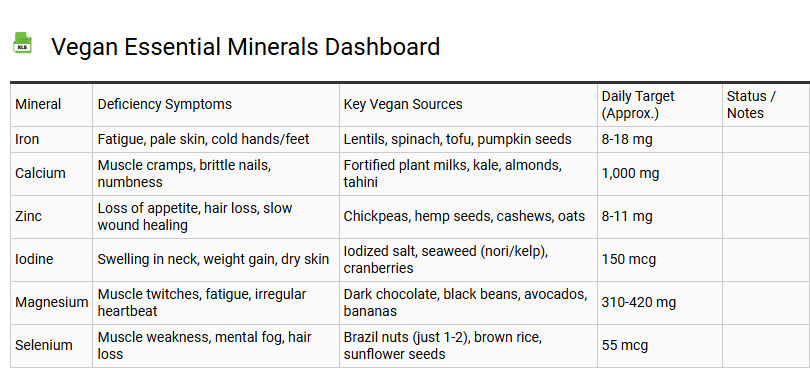
This Vegan Essential Minerals Dashboard provides a sophisticated interface for tracking micronutrient density within a plant-based lifestyle. By focusing on bioavailability, this template monitors critical trace elements such as non-heme iron, calcium, zinc, and magnesium. Users can visualize their daily nutritional intake to mitigate common nutrient deficiencies and optimize metabolic health.
- Monitor iodine and selenium levels for thyroid support.
- Analyze absorption enhancers to improve mineral uptake.
- Track electrolyte balance and fortified food consumption.
Designed for precision, the dashboard integrates dietary patterns with supplementation strategies, ensuring a balanced physiological profile. Whether managing iron stores or bone density through calcium-rich plants, this tool offers a data-driven approach to vegan wellness and long-term cellular function through comprehensive nutrient profiling.
Daily Plant Protein and Amino Acid Calculator
💾 Daily Plant Protein and Amino Acid Calculator .xls
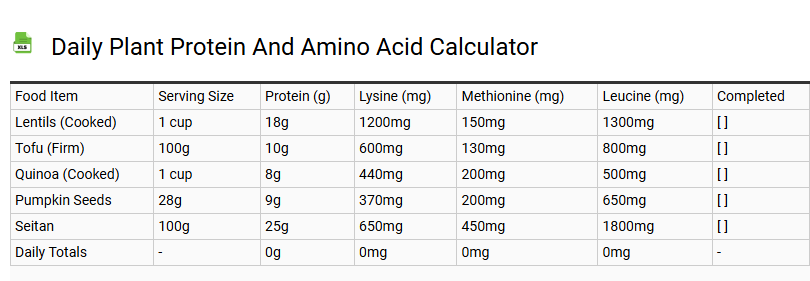
A Daily Plant Protein and Amino Acid Calculator is a vital tool for optimizing vegan nutrition and supporting muscle protein synthesis. Unlike animal-derived sources, plant-based proteins vary in their bioavailability and essential amino acid (EAA) concentrations. To maintain a healthy nitrogen balance, it is crucial to monitor specific limiting amino acids such as lysine, methionine, and leucine.
This tool evaluates your Recommended Dietary Allowance (RDA) based on body weight, activity levels, and fitness goals. By tracking diverse sources like legumes, quinoa, and soy, users can ensure a complete protein profile. Proper calculation accounts for digestibility scores, ensuring your macronutrient intake supports metabolic health. Whether focusing on hypertrophy or general wellness, precisely measuring your protein requirements helps bridge nutritional gaps while leveraging the benefits of dietary fiber and phytonutrients found in plant-rich diets.
Vegan Omega-3 and Fatty Acid Monitor
💾 Vegan Omega-3 and Fatty Acid Monitor .xls
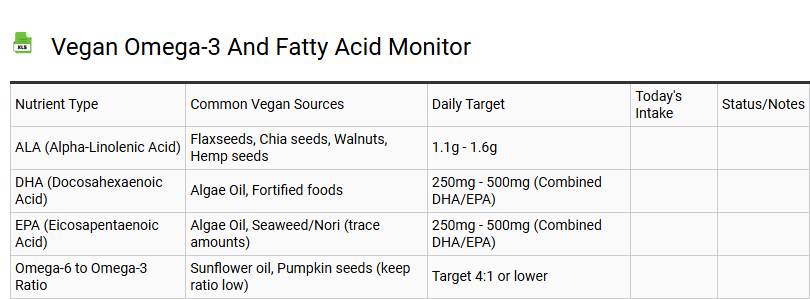
This specialized Vegan Omega-3 and Fatty Acid Monitor provides a robust framework for tracking essential long-chain polyunsaturated fats within a plant-based diet. Designed to optimize cardiovascular health and cognitive function, the template focuses on the critical balance of EPA (eicosapentaenoic acid) and DHA (docosahexaenoic acid) derived from algae oil, alongside ALA (alpha-linolenic acid) found in flax and chia seeds.
Users can monitor their omega-6 to omega-3 ratio to manage systemic inflammation and improve nutrient bioavailability. By logging daily intake of microalgae supplements and plant-derived precursors, the monitor evaluates conversion rates and ensures metabolic requirements are met. This lipid profile tracking tool is essential for vegans seeking to bridge the nutritional gap without fish-based sources, ensuring peak neurological performance and heart health through precise, data-driven plant-based nutrition management.
Calcium and Vitamin D Supplementation Log
💾 Calcium and Vitamin D Supplementation Log .xls
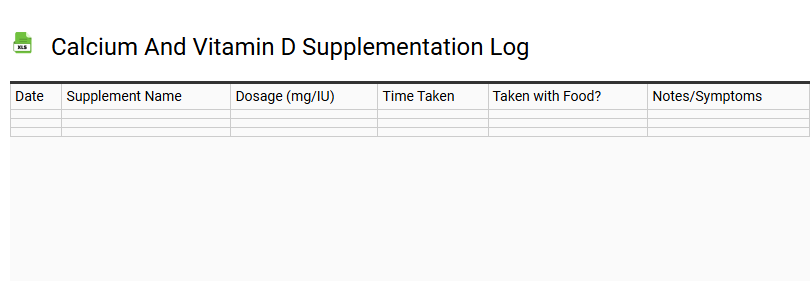
A calcium and vitamin D supplementation log serves as an essential tool for managing bone health and preventing osteoporosis. By utilizing a structured template, individuals can accurately monitor their daily dosage of elemental calcium carbonate or citrate, paired with cholecalciferol (Vitamin D3) to maximize nutrient absorption.
Maintaining a detailed record of intake supports adherence to medical protocols, which is vital for preserving bone mineral density and overall skeletal strength. This medical tracking system allows patients to provide precise data to their healthcare provider, facilitating informed adjustments to treatment plans. Consistent documentation in a supplementation diary ensures that metabolic requirements are met, reducing the risk of fractures and supporting long-term physical wellness through organized micronutrient monitoring and proactive wellness management.
Comprehensive Vegan Nutrient Deficiency Screener
💾 Comprehensive Vegan Nutrient Deficiency Screener .xls
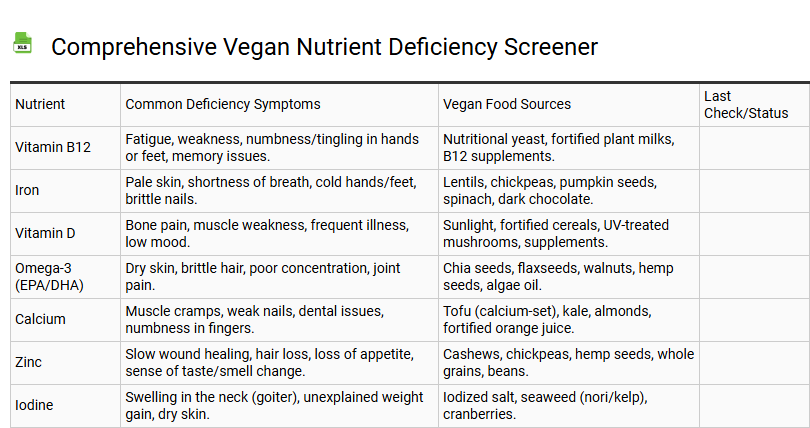
This Comprehensive Vegan Nutrient Deficiency Screener serves as a vital diagnostic tool for individuals adhering to a plant-based diet. It systematically evaluates micronutrient intake to identify potential nutritional gaps common in veganism. The template prioritizes critical markers such as Vitamin B12 (cobalamin), non-heme iron, omega-3 fatty acids (DHA/EPA), and calcium levels. By monitoring bioavailability and the impact of antinutrients like phytates, users can optimize nutrient absorption. This dietary assessment framework also tracks Vitamin D synthesis, iodine requirements, and zinc status. Utilizing this screener facilitates proactive supplementation strategies and prepares users for clinical blood panels. It ensures a balanced nutritional profile, supporting long-term metabolic health, bone density, and cognitive function while minimizing the risk of anemia or malnutrition through evidence-based plant-based nutrition monitoring and fortified food integration.
Plant-Based Micronutrient Density Sheet
💾 Plant-Based Micronutrient Density Sheet .xls
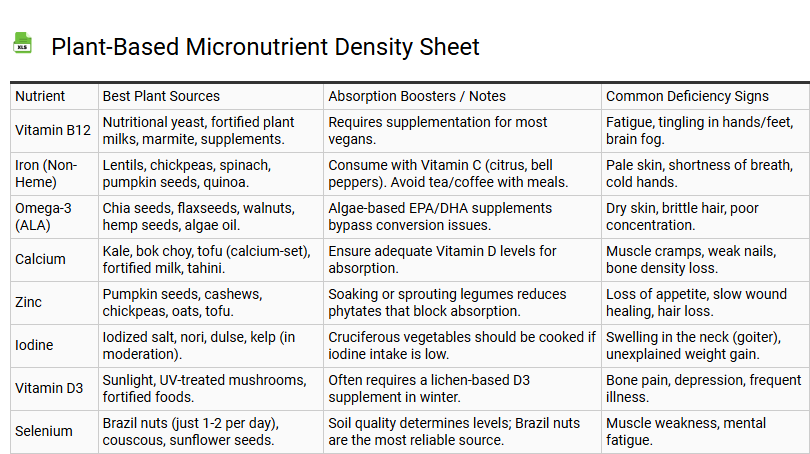
This plant-based micronutrient density sheet serves as a high-performance framework for evaluating the nutrient-to-calorie ratio within a whole-food diet. By utilizing sophisticated nutrient profiling, this template helps track the concentration of essential vitamins, minerals, and trace elements found in botanical sources. It prioritizes bioavailability and the presence of phytonutrients to ensure optimal metabolic health.
Key metrics included in this layout focus on:
- Antioxidant capacity and phytochemical variety.
- The balance of dietary fiber relative to caloric density.
- Concentrations of magnesium, potassium, and bioactive compounds in leafy greens and legumes.
By mapping nutritional density, users can effectively minimize empty calories while maximizing the intake of protective compounds. This systematic approach ensures a comprehensive micronutrient profile, supporting long-term wellness through evidence-based plant-derived nutrition.
Vegan Iodine and Zinc Intake Record
💾 Vegan Iodine and Zinc Intake Record .xls
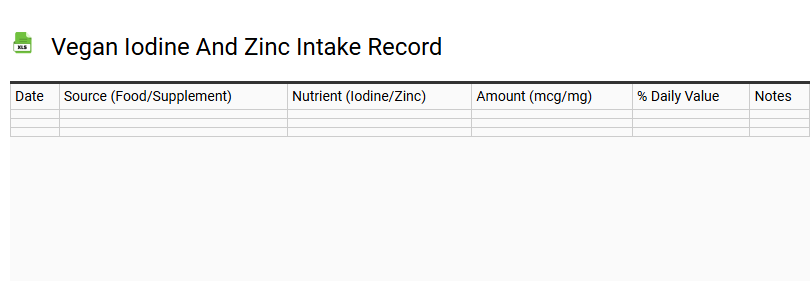
Maintaining a balanced plant-based diet requires diligent monitoring of specific micronutrients like iodine and zinc. This tracking template helps vegans prevent nutritional deficiencies by logging daily consumption of zinc-rich foods-such as legumes, pumpkin seeds, and fortified cereals-while accounting for phytates that can inhibit bioavailability. Monitoring iodine intake is equally critical for supporting thyroid hormone production and metabolic health, especially when relying on seaweed, iodized salt, or specific vegan supplements.
- Record daily milligrams (mg) of zinc to meet the Recommended Dietary Allowance (RDA).
- Track micrograms (mcg) of iodine to ensure endocrine system stability.
- Identify nutrient-dense plant sources to optimize immune function and cellular repair.
Utilizing this record ensures your vegan meal planning remains nutritionally complete, supporting long-term wellness through evidence-based nutrition and proactive dietary assessment.
Symptom-Based Nutrient Deficiency Journal
💾 Symptom-Based Nutrient Deficiency Journal .xls
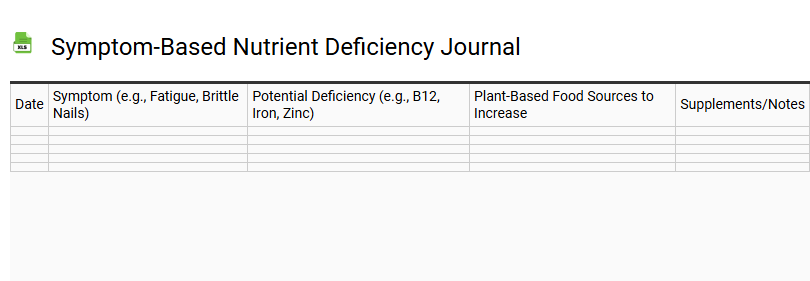
A Symptom-Based Nutrient Deficiency Journal is a precise analytical tool designed to track physiological biofeedback and identify potential micronutrient imbalances. By documenting daily wellness markers-such as cognitive clarity, energy fluctuations, and skin health-users can correlate specific physical signals with vitamin and mineral gaps. This systematic nutritional logging facilitates a deeper understanding of malabsorption issues and dietary insufficiencies.
Monitoring bioavailable intake alongside symptom severity helps refine supplement protocols and optimize metabolic function. Utilizing this holistic data empowers individuals to bridge biochemical gaps, ensuring long-term homeostasis. Key benefits include:
- Identification of nutrient-dense requirements.
- Improved immune resilience through targeted nutritional interventions.
- Enhanced digestive health tracking.
- Evidence-based lifestyle adjustments for peak vitality.
This proactive health tracking approach transforms vague discomfort into actionable data for personalized wellness optimization.
Vegan Electrolyte and Trace Mineral Tracker
💾 Vegan Electrolyte and Trace Mineral Tracker .xls
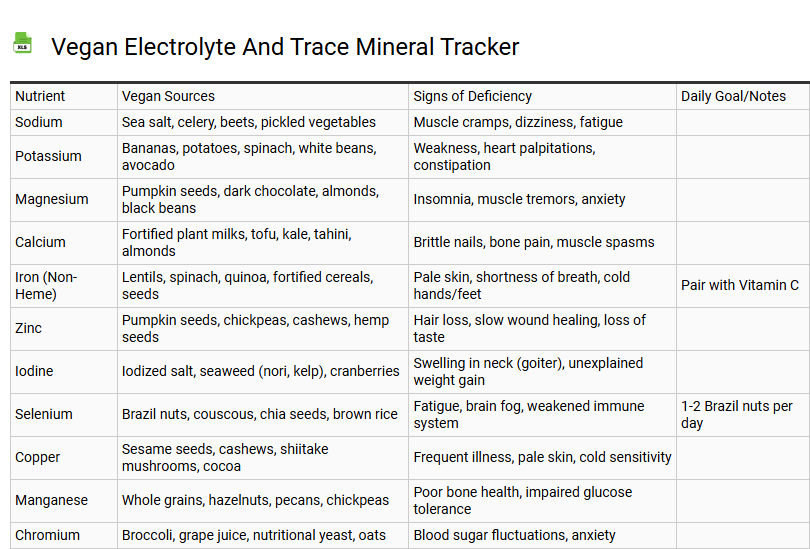
This Vegan Electrolyte and Trace Mineral Tracker provides a comprehensive solution for monitoring plant-based hydration and nutritional balance. Maintaining optimal levels of magnesium, potassium, and sodium is vital for cellular function and peak physical performance. This digital template simplifies micronutrient monitoring, ensuring that those on a strict plant-derived diet avoid common deficiencies in bioavailable minerals like zinc, iodine, and selenium.
By logging daily intake, users can achieve nutrient density while supporting muscle recovery and metabolic health. Key features include:
- Detailed logs for electrolyte balance and hydration status.
- Tracking for essential trace elements including iron and calcium.
- Insights into plant-sourced mineral absorption and dietary supplementation.
Utilize this tracker to maintain a precise mineral profile, fostering long-term wellness and preventing fatigue through data-driven nutritional adjustments tailored to your specific lifestyle needs.
Monthly Vegan Blood Work Comparison Tool
💾 Monthly Vegan Blood Work Comparison Tool .xls
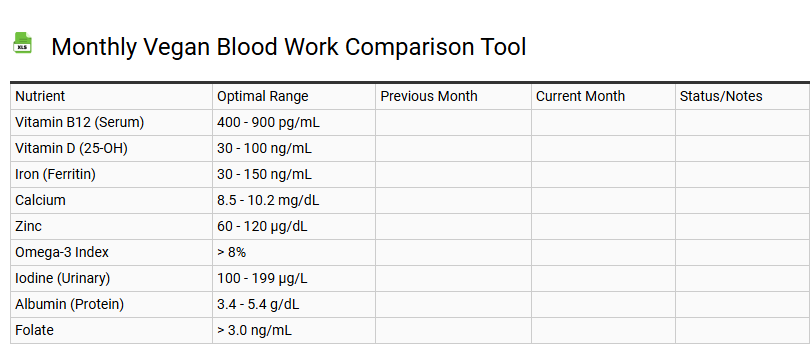
This Monthly Vegan Blood Work Comparison Tool is a specialized biomarker tracking system designed for individuals following a plant-based diet. By documenting laboratory results over time, users can monitor critical nutritional markers and identify potential micronutrient deficiencies before symptoms arise.
The template focuses on essential vegan health indicators, including Serum Vitamin B12, Ferritin (iron stores), Vitamin D3, and Omega-3 (EPA/DHA) levels. Tracking these blood panels facilitates precise adjustments to supplementation and dietary intake to optimize nutrient bioavailability. Using this health monitoring framework, vegans can compare Complete Blood Count (CBC) data and metabolic profiles, ensuring long-term wellness and physiological balance. This data-driven approach simplifies nutritional tracking, providing a clear longitudinal view of how plant-based nutrition impacts overall biochemistry and vitality.
Bioavailable Nutrient Absorption Calculator
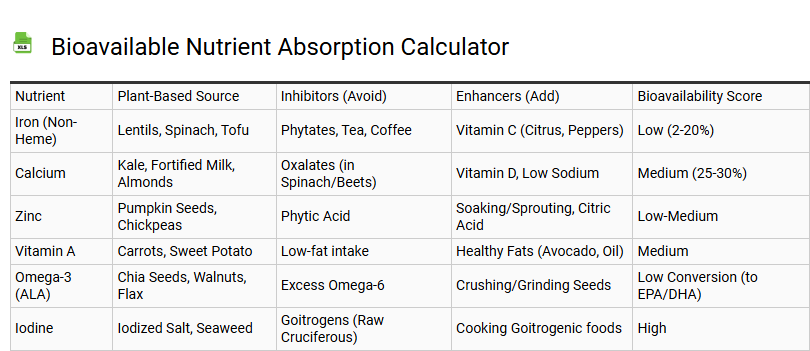
💾 Bioavailable Nutrient Absorption Calculator .xls
Vegan Whole Foods vs Processed Foods Nutrient Split
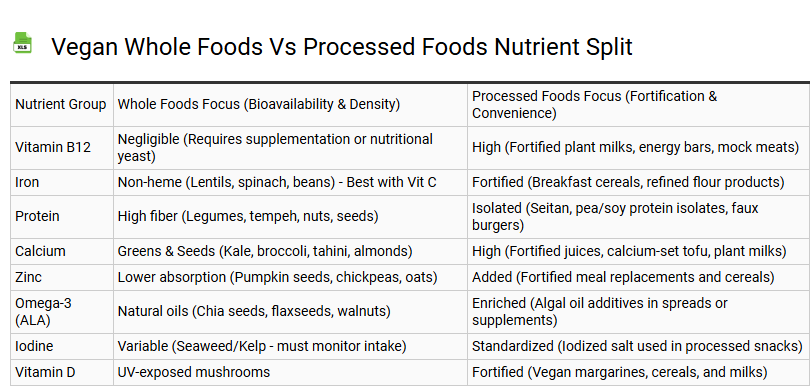
💾 Vegan Whole Foods vs Processed Foods Nutrient Split .xls
Navigating the nutritional landscape of a plant-based diet requires understanding the distinction between unrefined whole foods and manufactured substitutes. Whole foods-including legumes, intact grains, nuts, seeds, fruits, and vegetables-deliver a complete package of fiber, antioxidants, and essential micronutrients. These elements remain biologically intact, supporting optimal digestion and stable energy absorption.
- Whole Plant Foods: High in naturally occurring vitamins and minerals; low in sodium and free from refined sugars.
- Processed Vegan Foods: Often rely on isolated proteins, heavy oils, and additives to replicate specific textures or shelf stability.
While processed items provide convenience, they frequently lack the complex nutrient density found in their natural counterparts. Prioritizing ingredients in their original form ensures a superior balance of health-promoting compounds, whereas over-reliance on industrial preparations can lead to an intake split skewed toward empty calories and inflammatory ingredients.
Weekly Vegan Micronutrient Target Planner
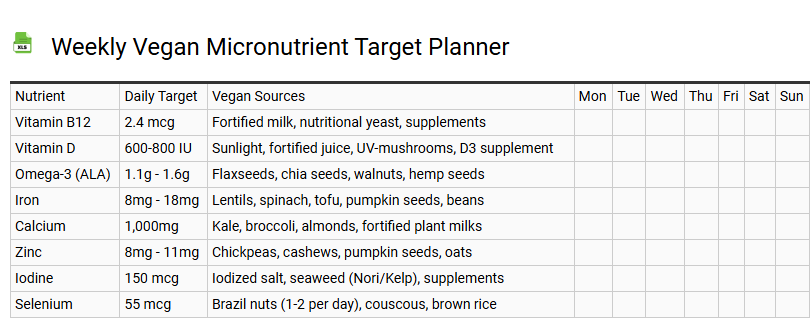
💾 Weekly Vegan Micronutrient Target Planner .xls
Optimizing a plant-based diet requires strategic nutritional tracking to ensure peak wellness. This Weekly Vegan Micronutrient Target Planner serves as a comprehensive roadmap for monitoring essential vitamins and minerals. By focusing on nutrient density, users can easily log daily intake of critical elements like Vitamin B12, non-heme iron, zinc, and calcium.
Effective meal planning helps bridge the gap between caloric intake and bioavailable nutrients. This template emphasizes key dietary components:
- Omega-3 fatty acids derived from flax, chia, and hemp seeds.
- Iodine levels through sea vegetables or fortified salts.
- Vitamin D synthesis and supplementation consistency.
- Optimization of phytonutrients via diverse legumes and leafy greens.
Achieve your dietary goals by maintaining a balanced micronutrient profile, ensuring long-term vegan health and metabolic efficiency through precise nutrient partitioning and variety.
Utilizing a comprehensive vegan nutrient deficiency tracker is vital for maintaining peak health on a plant-based diet. This template facilitates precise monitoring of daily intake for essential micronutrients like Vitamin B12, Iron, and Omega-3s. By proactively identifying nutritional gaps and logging dietary habits, users can optimize their wellness journey. This functional tool empowers individuals to streamline supplement management and meal planning, ensuring long-term vitality and nutritional balance while flourishing on a sustainable, meat-free lifestyle.