
Comprehensive Template for Workplace Stress and Mood Monitoring.
Prioritizing employee well-being is essential for maintaining a high-performance culture. A Workplace Stress Mood Monitor acts as a proactive occupational health tool, facilitating burnout prevention and boosting job satisfaction. By utilizing systematic mental health tracking, organizations can identify environmental stressors and improve staff engagement. Integrating these emotional intelligence metrics into daily routines helps streamline performance management while supporting long-term psychological safety. We invite you to check the already made variation of templates below.
Daily Work Stress Log
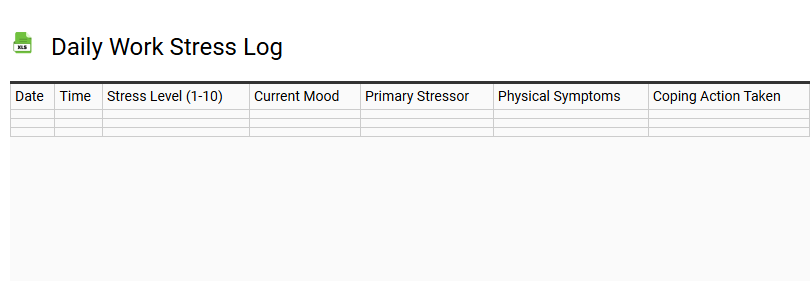
A daily work stress log is a strategic tool for enhancing mental health and ensuring burnout prevention. By systematically documenting stress triggers and occupational stress levels, employees can gain clarity on specific workplace pressures that impact their emotional well-being.
This structured template typically captures key data points, including:
- Intensity levels of environmental or task-based stressors.
- Physical symptoms related to elevated cortisol levels.
- Effectiveness of various coping mechanisms and self-care rituals.
- Patterns in productivity relative to anxiety spikes.
Utilizing this journaling method fosters mindfulness, allowing individuals to transform subjective job-related tension into actionable data. Consistent tracking helps identify long-term trends, facilitating better communication with healthcare providers or HR to improve work-life balance and overall psychological resilience in high-pressure professional environments.
Weekly Workplace Mood Heatmap
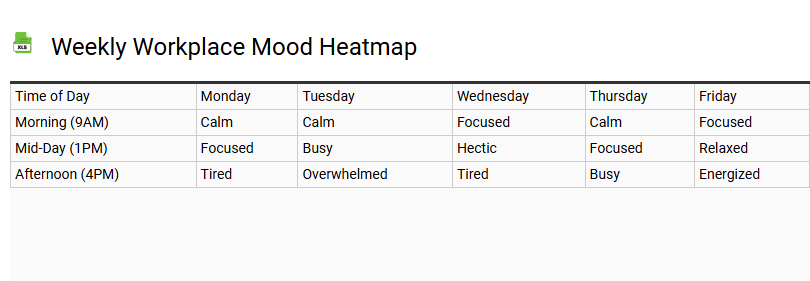
💾 Weekly Workplace Mood Heatmap .xls
A weekly workplace mood heatmap serves as a high-impact visual analytics tool designed to track employee sentiment and team morale across the organization. By leveraging data visualization, this template captures real-time emotional well-being through frequent pulse surveys and continuous feedback loops. It transforms qualitative human capital data into actionable insights, identifying critical patterns in engagement levels, stress indicators, and overall organizational health.
Managers utilize these heatmaps to pinpoint specific timeframes or departments experiencing friction, enabling proactive interventions to foster psychological safety and mitigate burnout risks. Implementing this structured monitoring system enhances workplace culture by promoting transparency and open communication. Leveraging such a metric-driven approach to job satisfaction ensures a resilient workforce and optimized productivity trends. This holistic dashboard simplifies complex behavioral data, making it an essential asset for modern human resource management and strategic leadership development.
Burnout Risk Assessment Tracker
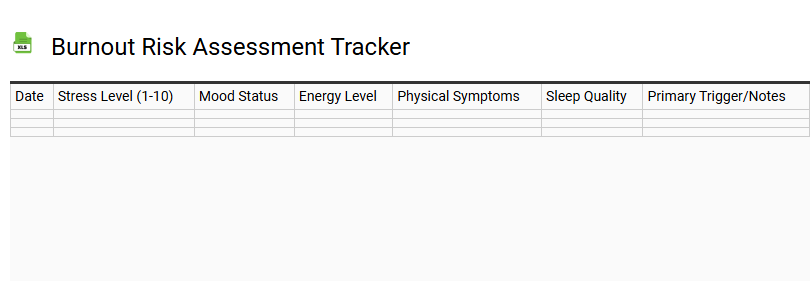
💾 Burnout Risk Assessment Tracker .xls
A Burnout Risk Assessment Tracker serves as a vital diagnostic resource for identifying the early warning signs of occupational stress and chronic fatigue. This template facilitates proactive workplace wellness by monitoring critical mental health indicators, such as emotional exhaustion and depersonalization. By integrating a structured self-assessment tool, organizations and individuals can track employee engagement levels and detect patterns of workplace exhaustion before they escalate into clinical burnout.
Utilizing data-driven stress management metrics allows for improved workload management and the implementation of timely intervention strategies. Key performance markers often include:
- Tracking occupational health benchmarks and recovery periods.
- Monitoring performance fluctuations linked to prolonged stress.
- Evaluating wellness indicators to foster psychological safety.
This tracker empowers teams to prioritize mental well-being, ensuring sustainable productivity and long-term employee retention through informed, empathetic resource allocation.
Professional Satisfaction and Anxiety Chart
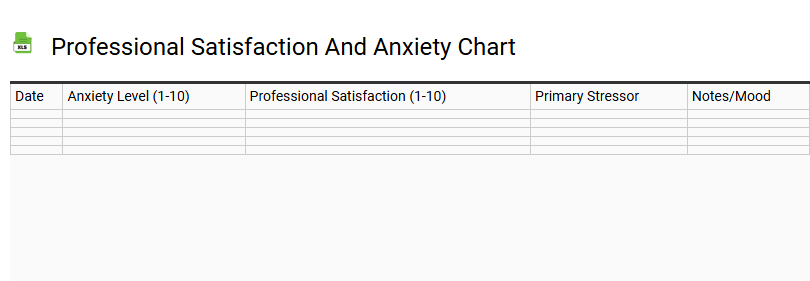
💾 Professional Satisfaction and Anxiety Chart .xls
This professional assessment template serves as a robust visual framework for evaluating career fulfillment relative to workplace stress levels. By utilizing a Professional Satisfaction and Anxiety Chart, employees and HR specialists can quantify job satisfaction metrics while identifying triggers for occupational anxiety. This self-assessment tool is vital for maintaining mental well-being and emotional equilibrium amidst demanding workload management schedules.
Implementing this data-driven approach facilitates burnout prevention and supports long-term professional growth. By monitoring psychological safety and performance indicators, organizations can improve the overall career trajectory of their workforce. The chart provides a clear visualization of occupational health, balancing productivity with personal happiness. Leveraging these insights ensures a resilient corporate landscape where job-related stress is proactively managed through strategic career development and emotional intelligence.
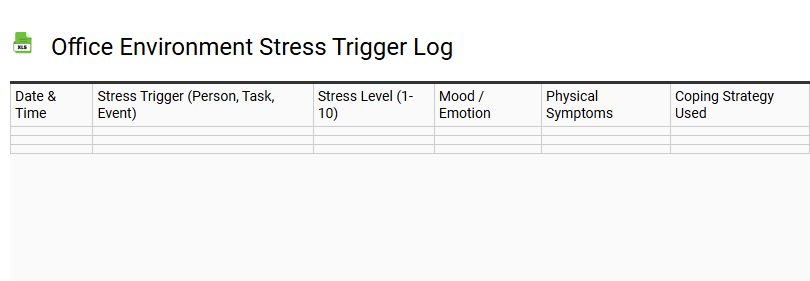
Office Environment Stress Trigger Log
💾 Office Environment Stress Trigger Log .xls
This office environment stress trigger log serves as a vital instrument for monitoring workplace stressors and enhancing mental well-being. By documenting specific psychosocial hazards, such as excessive cognitive load or interpersonal friction, employees can identify patterns that impact professional productivity. This template captures environmental factors-including noise levels and ergonomic discomfort-alongside organizational culture influences.
Systematic stress tracking facilitates early burnout prevention and supports emotional self-regulation. Utilizing this log empowers staff to communicate specific needs to occupational health departments, fostering a proactive approach to psychological safety. Each entry helps map the correlation between external triggers and physiological responses, ensuring a data-driven strategy for workload management. Implementing this tool promotes a healthier, more resilient workspace by transforming subjective tension into actionable insights for sustained career longevity and workplace harmony.
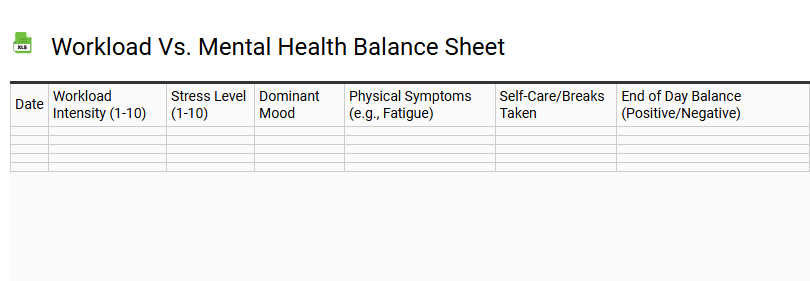
Workload vs. Mental Health Balance Sheet
💾 Workload vs. Mental Health Balance Sheet .xls
A Workload vs. Mental Health Balance Sheet serves as a strategic framework for auditing professional equilibrium. By mapping cognitive load against emotional resilience, this template allows individuals to visualize the direct correlation between task intensity and psychological well-being.
Utilizing this tool facilitates proactive stress management by quantifying daily stressors alongside restorative recovery periods. Integrating metrics for emotional labor and resource allocation helps identify early indicators of occupational burnout. Through systematic task prioritization and boundary setting, users can refine their productivity tracking without compromising their mental health.
This structured approach to workplace wellness ensures that professional demands remain aligned with personal capacity. By fostering burnout prevention and sustainable output, the balance sheet promotes a mindful distribution of energy, ensuring long-term career viability and a healthier holistic state.
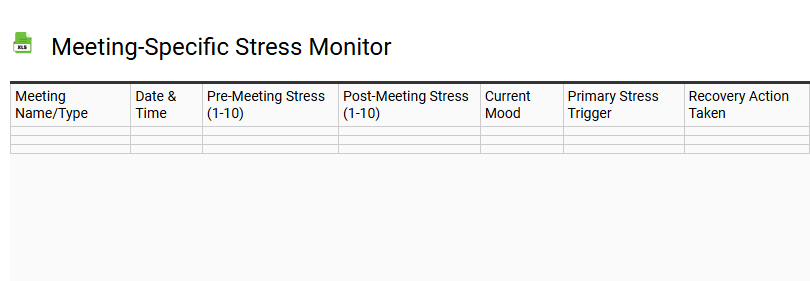
Meeting-Specific Stress Monitor
💾 Meeting-Specific Stress Monitor .xls
The Meeting-Specific Stress Monitor template serves as a sophisticated analytical framework for tracking physiological responses during professional engagements. By synthesizing biometric data and real-time analytics, this tool identifies specific stress triggers tied to high-stakes presentations or recurring team syncs.
Utilizing heart rate variability (HRV) metrics and cognitive load assessments, the system enhances workplace wellness by addressing conference call fatigue and promoting effective anxiety management. Integrating these biofeedback mechanisms allows for proactive burnout prevention, ensuring that cortisol levels remain balanced during intense digital collaboration.
Optimizing professional productivity requires understanding the correlation between meeting dynamics and emotional strain. This template transforms raw physiological input into actionable insights, fostering mental health sustainability and improving interpersonal communication within corporate environments through data-driven self-regulation.
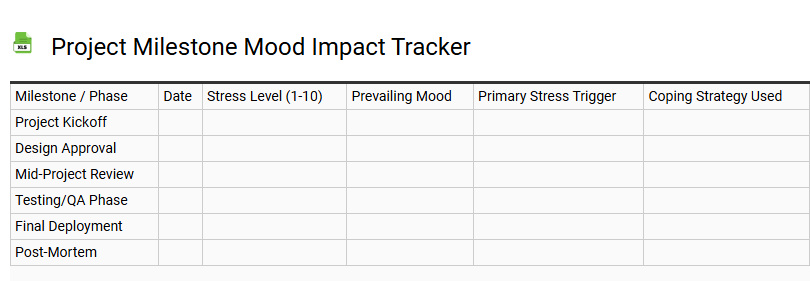
Project Milestone Mood Impact Tracker
💾 Project Milestone Mood Impact Tracker .xls
The Project Milestone Mood Impact Tracker is a specialized project management tool designed to monitor emotional well-being and team morale throughout the project lifecycle. By documenting workplace sentiment at critical deliverable deadlines, leadership can identify the direct correlation between task complexity and psychological safety.
- Enhance burnout prevention through proactive qualitative feedback loops.
- Monitor productivity fluctuations during high-pressure execution phases.
- Optimize workflow efficiency by aligning project timelines with team capacity.
Integrating this framework into your progress monitoring strategy leverages emotional intelligence to boost employee engagement. This template captures motivation shifts and stress levels, providing actionable data for resource allocation. Ultimately, tracking human capital sentiment alongside strategic objectives ensures a sustainable path toward achieving successful project outcomes while maintaining a healthy, high-performing organizational culture.
Work-Life Balance Habit Tracker
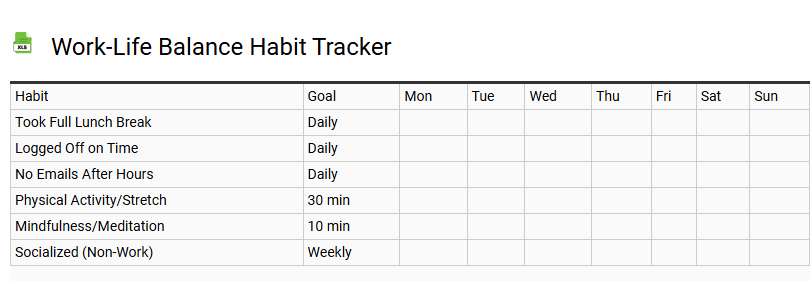
💾 Work-Life Balance Habit Tracker .xls
A work-life balance habit tracker is an essential tool for achieving holistic wellness and sustained productivity. By utilizing a structured digital planner or printable template, individuals can monitor daily routines to prevent burnout and foster mental health. This system encourages intentional living through consistent boundary setting between professional responsibilities and personal well-being.
- Tracks self-care activities and stress management techniques.
- Enhances time management for better occupational health.
- Promotes mindful living and behavioral change.
- Supports long-term goal setting and emotional resilience.
Implementing this habit-building framework ensures that professional growth never compromises physical health. By quantifying lifestyle choices, users gain data-driven insights into their work-life integration, leading to a more fulfilling lifestyle and improved job satisfaction through measurable personal development milestones.
Employee Morale Self-Assessment Sheet
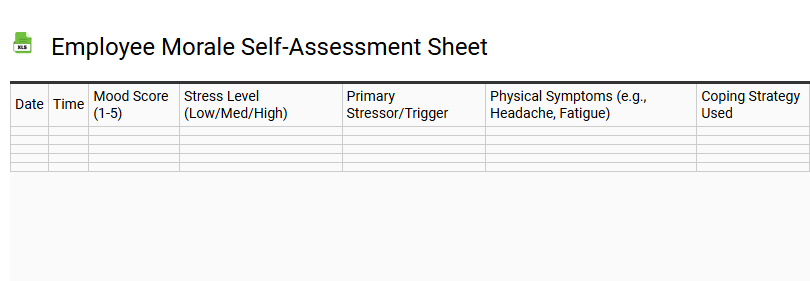
💾 Employee Morale Self-Assessment Sheet .xls
An Employee Morale Self-Assessment Sheet serves as a strategic instrument for gauging job satisfaction and workplace engagement. By utilizing this structured template, team members engage in critical self-reflection regarding their emotional well-being, professional growth, and work-life balance. This proactive evaluation helps management identify burnout risks while fostering a transparent feedback loop within the organizational culture.
Integrating these assessments into regular performance cycles improves internal communication and strengthens employee retention efforts. As staff evaluate their intrinsic motivation and alignment with corporate values, leadership gains actionable insights to boost productivity and team synergy. Ultimately, this self-assessment facilitates a supportive environment where mental health and career trajectory are prioritized, ensuring long-term employee loyalty and a thriving work environment.
Work-Related Sleep and Mood Correlation Tool
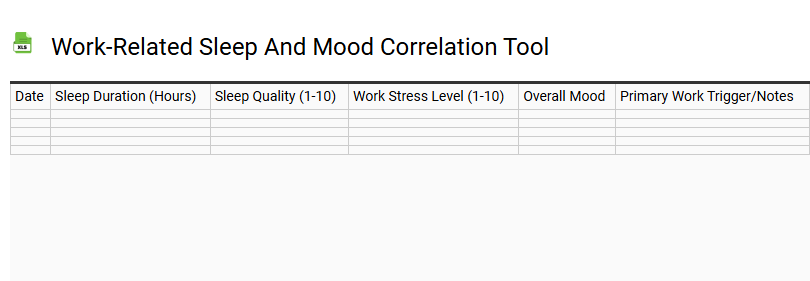
💾 Work-Related Sleep and Mood Correlation Tool .xls
The Work-Related Sleep and Mood Correlation Tool provides a structured framework for analyzing the direct relationship between professional responsibilities and personal recovery. By documenting nightly rest durations alongside daily emotional states, users can identify how specific workplace stressors influence their psychological well-being and cognitive performance.
This interface facilitates the tracking of several critical metrics:
- Total hours of restorative sleep measured against daily operational output.
- Variations in temperament during high-pressure work cycles.
- Long-term trends that highlight the necessity of strategic recovery intervals.
Utilizing this template helps professionals visualize the impact of their schedule on mental clarity. It serves as a vital resource for those seeking to optimize productivity while maintaining a sustainable balance between demanding career obligations and physical health.
Team Interaction Sentiment Log
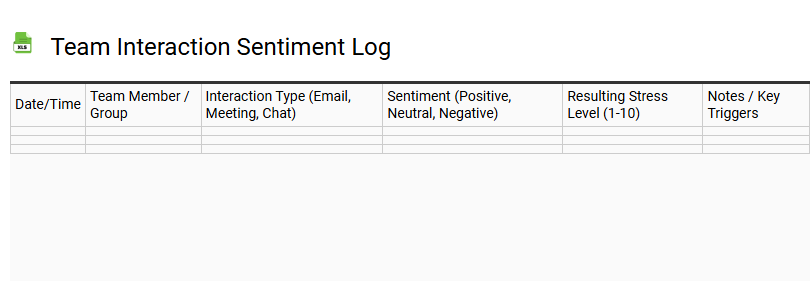
💾 Team Interaction Sentiment Log .xls
A Team Interaction Sentiment Log serves as a vital instrument for monitoring workplace culture and employee engagement. By documenting daily interpersonal dynamics and communication patterns, leaders can identify shifts in team cohesion and psychological safety. This structured template facilitates qualitative sentiment analysis, allowing managers to track emotional intelligence trends and mitigate potential burnout before it impacts productivity.
Utilizing this log helps refine feedback loops and improves conflict resolution strategies within a collaborative environment. Key components often include:
- Assessment of group dynamics and morale boosters.
- Tracking peer-to-peer interactions and non-verbal cues.
- Identifying triggers affecting the office atmosphere.
By capturing these workforce analytics, organizations foster a supportive professional climate and ensure team health is prioritized through data-driven performance management and proactive managerial oversight.
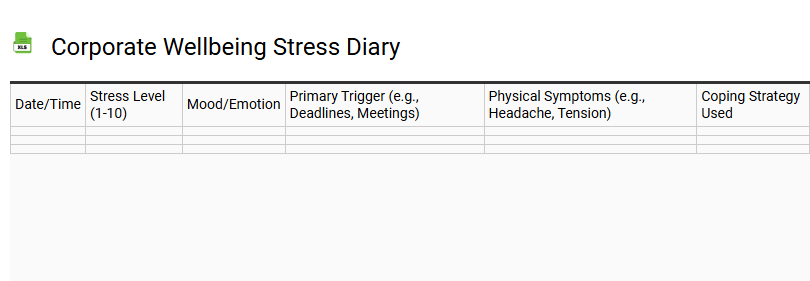
Corporate Wellbeing Stress Diary
💾 Corporate Wellbeing Stress Diary .xls
A Corporate Wellbeing Stress Diary serves as a strategic instrument for employee mental health and proactive burnout prevention. This structured template enables staff to systematically identify unique stress triggers and emotional fluctuations within the professional environment. By documenting daily challenges, individuals cultivate emotional intelligence and strengthen resilience against workplace pressures.
Integrating this tool into occupational health programs fosters psychological safety and promotes a sustainable work-life balance. Key benefits of utilizing a stress log include:
- Identification of physiological stress responses.
- Enhanced mindfulness and self-reflection.
- Improved productivity through targeted coping strategies.
By consistently tracking stressors, organizations empower their workforce to mitigate workplace anxiety and prioritize holistic wellness, ensuring long-term engagement and a supportive corporate culture centered on mental clarity and sustainable performance.
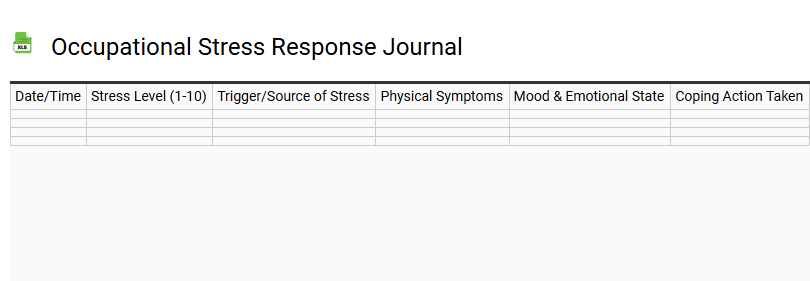
Occupational Stress Response Journal
💾 Occupational Stress Response Journal .xls
An Occupational Stress Response Journal serves as a critical instrument for managing workplace mental health and mitigating professional burnout. This structured template facilitates the systematic documentation of stress triggers, job-related tension, and immediate physiological reactions. By recording specific instances of psychological strain, individuals can engage in cognitive reframing and enhance their emotional regulation.
Key components of an effective log include tracking workload demands, somatic symptoms, and the efficacy of various coping mechanisms. Regular use of this diagnostic tool fosters resilience building and improves self-awareness regarding environmental pressures. Utilizing a dedicated journal supports proactive stress management, allowing for a data-driven approach to achieving work-life balance. This practice is essential for maintaining mental clarity and preventing long-term occupational fatigue in high-pressure corporate environments.
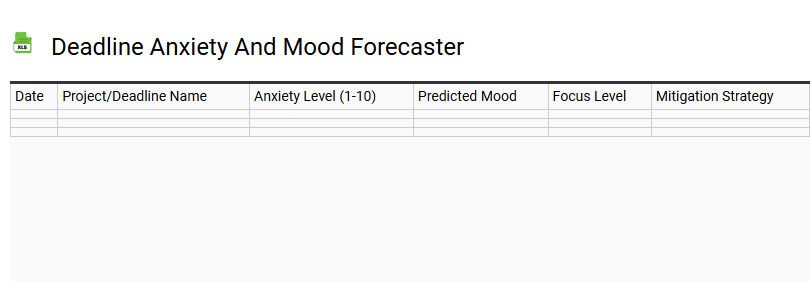
Deadline Anxiety and Mood Forecaster
💾 Deadline Anxiety and Mood Forecaster .xls
This tracking framework manages the psychological impact of approaching project milestones. By documenting emotional fluctuations alongside shifting time constraints, the system offers a clear visualization of how temporal pressure influences mental clarity and productivity levels.
- Monitor daily stress intensity relative to specific project delivery dates.
- Identify correlations between workload volume and emotional resilience.
- Predict potential burnout periods using historical performance data.
- Adjust scheduling strategies to prioritize well-being during high-pressure phases.
Utilizing this interface allows for proactive adjustments to professional workflows. It serves as an early warning mechanism, highlighting when rising tension might compromise decision-making quality. By maintaining a consistent log of internal states, users can foster more sustainable habits and develop effective coping mechanisms for recurring professional demands.
This workplace stress mood monitor serves as a vital instrument for enhancing employee well-being and fostering psychological safety. By implementing regular mental health tracking, organizations can identify burnout risks early and improve job satisfaction. Utilizing this data-driven approach facilitates open communication regarding occupational stress, ensuring a supportive environment. Ultimately, a consistent mood tracking system empowers teams to manage emotional health, boosting productivity and long-term retention through proactive intervention strategies.